01 Cost savings
As a paper product, the cost savings are beyond doubt. Production time is short — a 10-14 day cycle (excluding structural design and testing) — and because it merges packaging with the display stand, it suits brands that need to iterate their sales strategies quickly.
02 Light and compact
PDQ packaging is generally compact and, being paper-based, lightweight — ideal for countertops, temporary booths, and other display surfaces. Flexible and convenient.
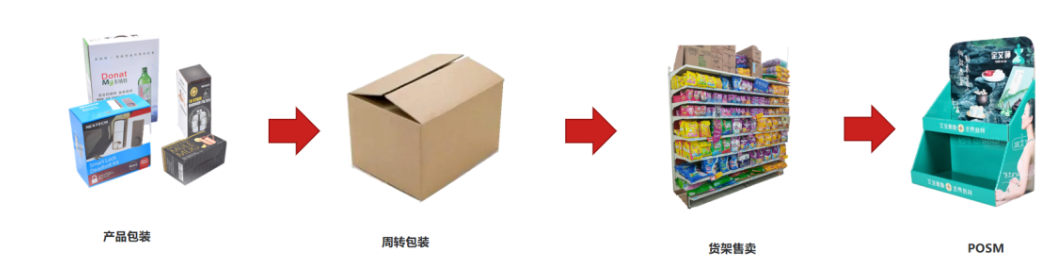
03 Brand impact
Promotional counters and checkout areas naturally command shopper attention. Paper allows exquisite, flexible visual design with high fidelity to brand colors and creative intent — a real boost to brand equity.
3. PDQ Box Types
By function, today's PDQs fall mainly into transit-plus-display PDQs and display-only PDQs.
(1) Transit + display PDQs
By how fully the contents are enclosed, the market divides mainly into
tray types and tear-away case types.
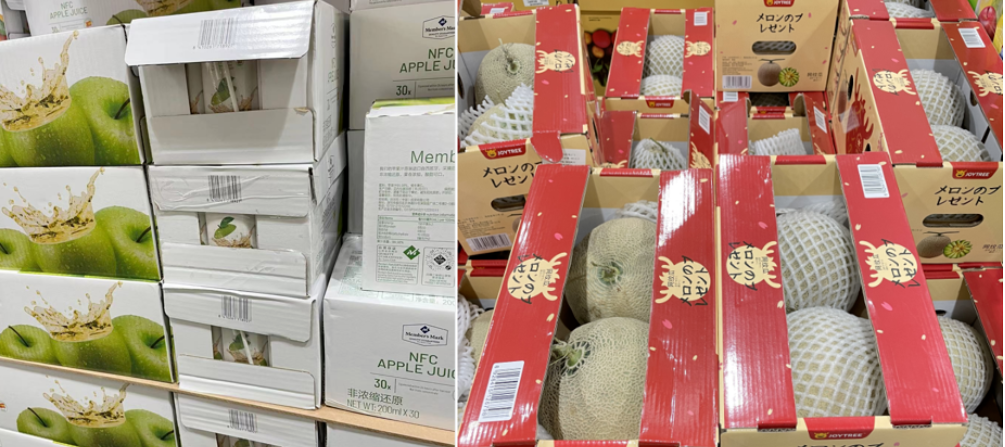
01 Tray type
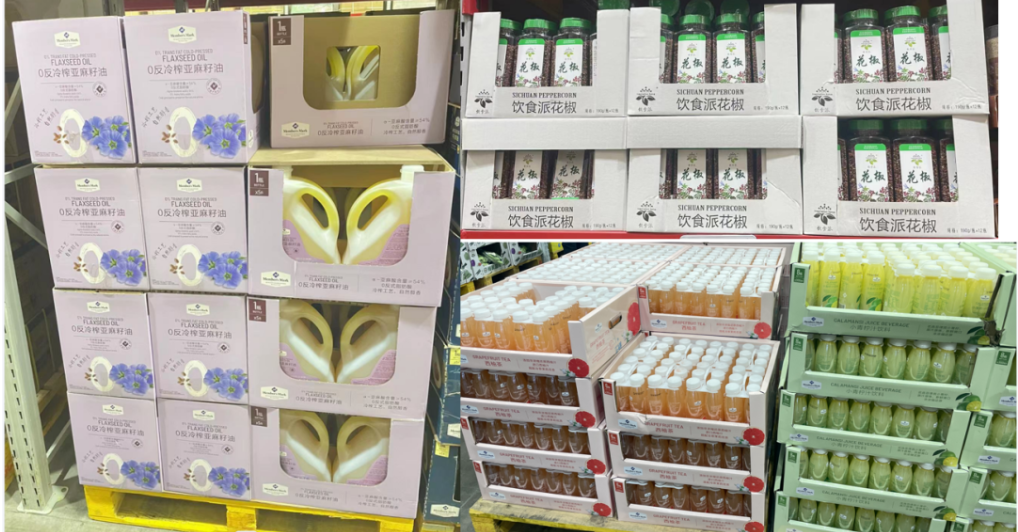
001 Standard PDQFunction: transit + display
Use cases: hypermarkets and warehouse club stores
Shipping: palletized with the PDQ as one packed unit, unpacked for sale on arrivalTypical contents: beverages, alcohol, daily necessities
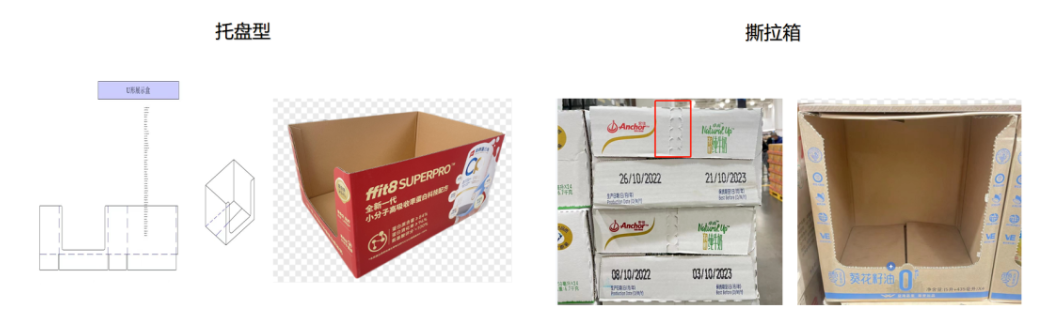
Structure: load-bearing columns are integrated with the panels for good strength; a support board can be added in the middle for heavier products.
002 Tray with slot-in design
- Function: transit + display. Typical contents: fruit, vegetables, snacks
- Structure: one-piece forming, easy assembly. Four sides and eight corners with double-panel slot-in design for stronger load-bearing. Side-panel support solves the poor overall stability, low structural strength, and weak stackability caused by the lack of a top support surface.
- 003 Three-sided, four-corner design
- Function: transit + display
- Shipping: palletized with the PDQ as one packed unit, unpacked for sale at the store
Typical contents: leisure snacks. Structure: sturdy corners keep product damage very low under drop impact and vibration; under load the case deforms predictably, resisting stack collapse and displaying well.
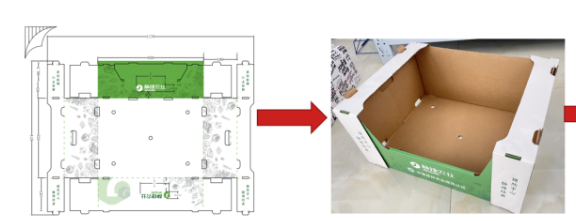
- 004 Four-sided, four-corner design
- Structure: one-piece forming, easy assembly. Four sides and eight corners with double-panel slot-in design for stronger load-bearing. Side-panel support solves the poor overall stability, low structural strength, and weak stackability caused by the lack of a top support surface.
- Function: display + transit
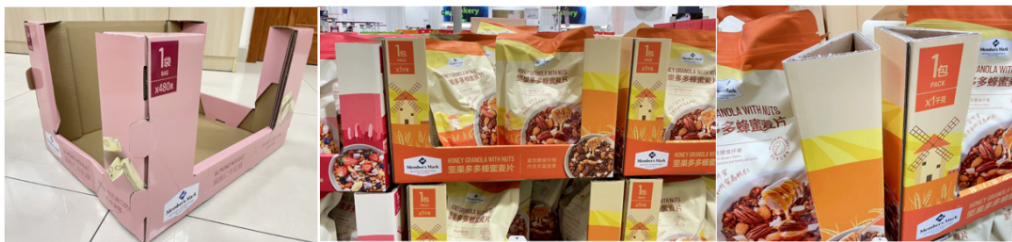
- Structure: economical on material, large product exposure, easy to grab.
- Structure: one-piece forming, easy assembly. Four sides and eight corners with double-panel slot-in design for stronger load-bearing. Side-panel support solves the poor overall stability, low structural strength, and weak stackability caused by the lack of a top support surface.
- 005 Inset design
- Function: transit + display
Typical contents: canned and boxed foods
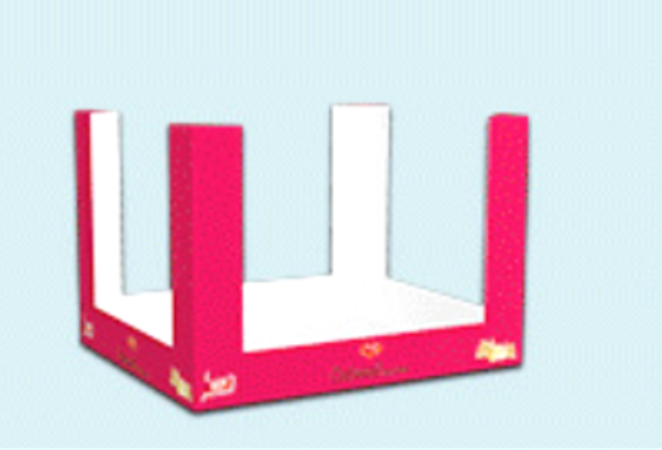
- Structure: holds and protects products securely inside the display box; structure customized to the product
- Structure: one-piece forming, easy assembly. Four sides and eight corners with double-panel slot-in design for stronger load-bearing. Side-panel support solves the poor overall stability, low structural strength, and weak stackability caused by the lack of a top support surface.
- 006 Skylight design
- 005 Inset design
- Shipping: requires full-case transport
Typical contents: milk, fruit, etc.
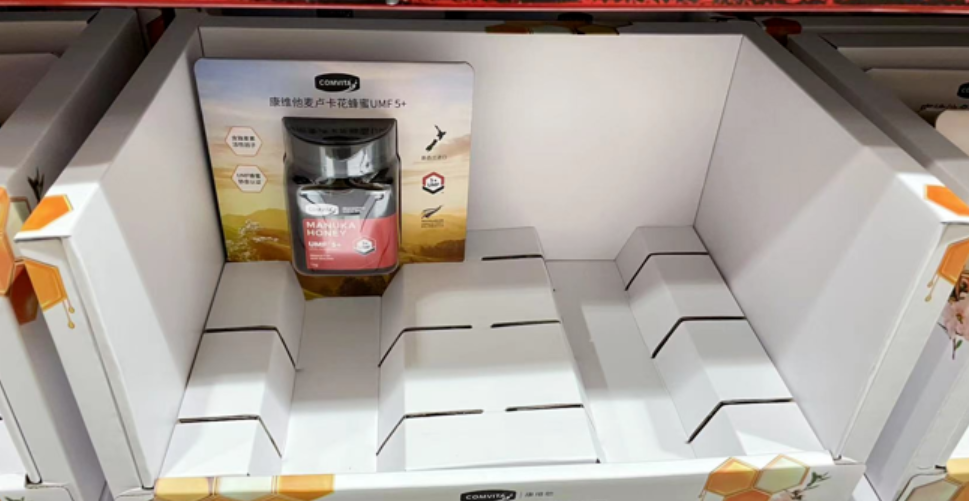
- Structure: the skylight window shows the product off to shoppers while keeping it protected
- Structure: one-piece forming, easy assembly. Four sides and eight corners with double-panel slot-in design for stronger load-bearing. Side-panel support solves the poor overall stability, low structural strength, and weak stackability caused by the lack of a top support surface.
- 005 Inset design
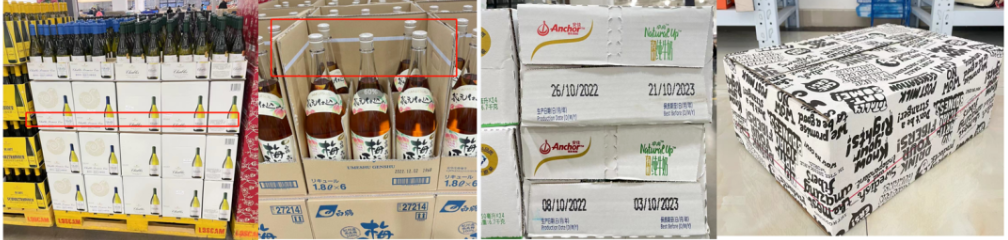
- 02 Tear-away case PDQ
- Shipping: for fragile goods with dividers between items; contents cannot be exposed in transit and need enclosed shipping.
Typical contents: alcohol, beverages, milk, food
- Structure: the skylight window shows the product off to shoppers while keeping it protected
- Structure: one-piece forming, easy assembly. Four sides and eight corners with double-panel slot-in design for stronger load-bearing. Side-panel support solves the poor overall stability, low structural strength, and weak stackability caused by the lack of a top support surface.
- Structure: tear-away designs use visible or concealed tear lines. The tear-strip design solves the security concerns of color boxes and offers high compression strength; once a full pallet arrives, store staff simply tear it open — quick and easy. Display is flexible: tear lines can open one side, two sides, or more to match how the product sells.
- (2) Display-type PDQs
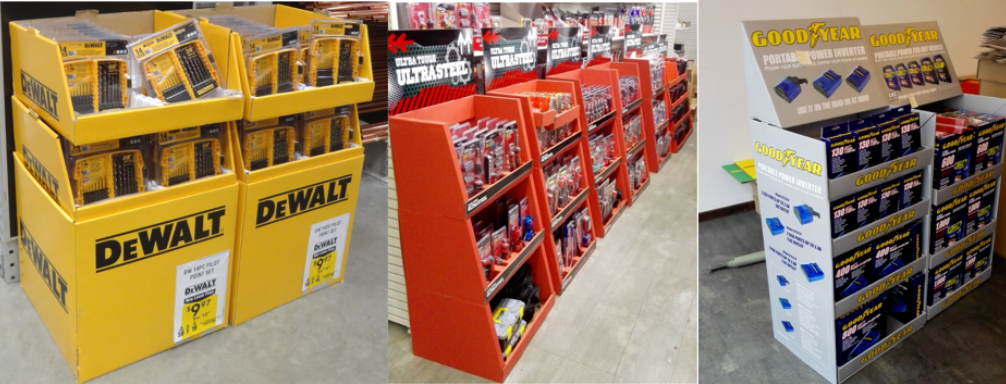
- 01 Floor-standing PDQ
Function: floor-standing display, positioned anywhere
- Structure: the skylight window shows the product off to shoppers while keeping it protected
- Structure: one-piece forming, easy assembly. Four sides and eight corners with double-panel slot-in design for stronger load-bearing. Side-panel support solves the poor overall stability, low structural strength, and weak stackability caused by the lack of a top support surface.
- Use cases: merchandising displays and point-of-sale advertising racks
- Shipping: cased for transport. Typical contents: cosmetics, foods, and other small-to-mid-size goods
- Structure: countertop and floor-standing formats, assemblable and demountable.
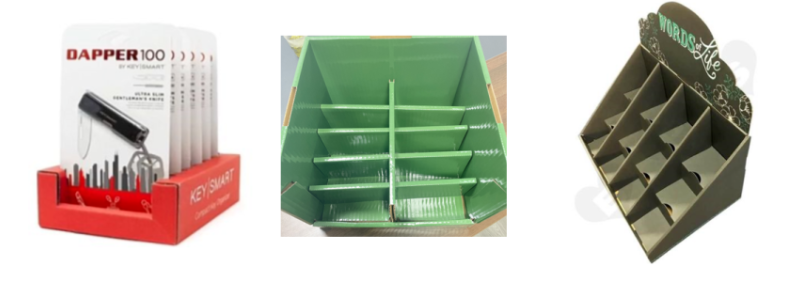
02 Countertop PDQ
Function: display; compact footprint fits shelves, checkout counters, and other spots
- Use cases: shelf and countertop merchandising, point-of-sale product display
- Shipping: shipped pre-formed from the warehouse, or flat-packed and assembled in store
- Typical contents: cosmetics, foods, and other small items
- Structure: countertop and floor-standing formats; assemblable, demountable, reusable, and simple to put together.
Shanghai Lingmin Packaging Materials has spent 20 years deep in the packaging industry, refining its technology and service, continuously deploying high-stability, high-precision production equipment, and rounding out its manufacturing capabilities — all to serve customers better.
- With rich service experience, intimate knowledge of how different products are used, and both structural design and production capability in-house, Lingmin can tailor a complete packing solution to your exact situation. Feel free to contact us anytime.
- By raw material, packaging bags fall broadly into the following types:
- 1. PE bags: PE, short for polyethylene, is a thermoplastic resin polymerized from ethylene — industrially it also includes copolymers of ethylene with small amounts of alpha-olefins. The result is a transparent plastic bag used for apparel, luggage, electronics, and more, in a wide range of styles and grades. By process, common formats include PE flat-mouth bags, resealable bags, zip-lock bags, envelope bags, punched-handle bags, loop-handle bags, zipper bags, and PE film.
- 2. OPP bags: OPP is biaxially oriented polypropylene — highly transparent though somewhat brittle, convenient and attractive, and widely used in apparel, food, printing, stationery, cosmetics, and paper. Custom printing and butterfly or euro-slot hang holes are available on request.
- 3. Aluminum foil bags: made by laminating multiple plastic films and forming them on bag-making machines, foil bags package food, pharmaceuticals, and many daily goods. Also called pure-aluminum bags, foil packaging usually refers to aluminum-plastic laminated vacuum bags, suited to moisture-proof, light-proof, vacuum packaging for precision machinery, chemical raw materials, and pharmaceutical intermediates. A typical four-layer structure delivers excellent water and oxygen barriers. They can be made into bags of any size and style — flat-mouth, stand-up, gusseted, and more — fully customizable.
4. Kraft paper bags: made from all-natural wood pulp, kraft bags are green and non-polluting, well in step with national environmental policy. They can be made waterproof, moisture-proof, and well-sealed as needed, serving food, supermarket shopping bags, apparel, and other applications.
5. Metallized bags: a laminated bag with many strengths — low production cost and fine printing, plus anti-static, UV-resistant, moisture-, oxygen-, and light-blocking properties, tolerance of cold, oil, and high heat, and strong freshness retention and sealability. Used across food, personal care, pharmaceutical, and chemical packaging, and available as stand-up pouches, specialty bags, and more.